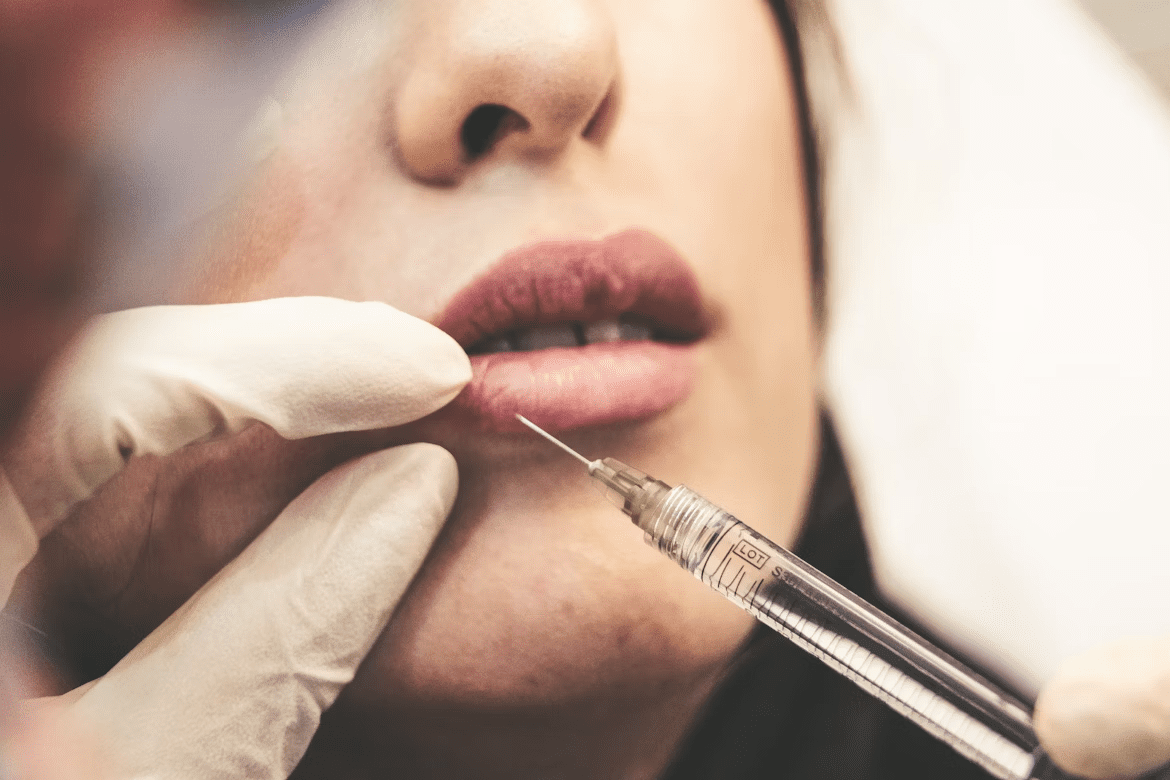
When cosmetic treatment falls below standard, it can have lasting effects. Our solicitors provide clear legal advice and support to help you claim fair compensation. We assist adults across the UK, including women over 18.
Cosmetic negligence occurs when a surgeon, beautician, or healthcare professional provides substandard care during a cosmetic procedure, resulting in harm that could have been avoided. For example, compensation can cover physical injuries, emotional distress, or long-term complications.
You may be entitled to compensation if you have experienced:
Painful or uneven results
Scarring, burns, or skin discolouration
Infection or nerve damage
Failure to explain risks or provide alternatives

We follow a structured legal process to build your case and secure the compensation you deserve. Here is how we support you every step of the way:
Compensation for cosmetic negligence depends on how the procedure has affected you physically, emotionally, and financially. It may include payment for pain and suffering, emotional distress, corrective treatments, lost income, and the long-term impact on your daily life.
Every case is different, and our team carefully assesses your situation to make sure you receive fair and appropriate compensation.
We support clients across the UK with clear, remote legal guidance. There is no need to travel. Our team handles your cosmetic negligence claim with care and convenience, wherever you are.
We listen to understand your situation and offer tailored legal support to help you move forward with confidence.
As an SRA-regulated firm, we uphold strong standards of integrity and act in your best interests at all times.
We make legal processes easy to understand with clear advice and support at every step.
Cosmetic negligence happens when a cosmetic treatment or procedure goes wrong due to poor standard of care, causing physical or emotional harm, such as scarring or infection.
You can make a claim for a botched cosmetic procedure if the care you received was below the expected standard and caused harm. If the surgeon or practitioner was negligent, you may be able to seek compensation.
You have up to three years to file a cosmetic negligence claim in the UK. This period starts either from the date the procedure went wrong or from when you first noticed the harm. This is known as the cosmetic negligence time limit.
Signing a consent form does not stop you from making a claim if you were harmed due to negligence or poor medical care. You may still be able to claim compensation if you were not properly told about the risks or other options before signing, or if the treatment was not up to the expected standard.
Yes, you can make a claim against a private clinic or beauty salon if you were injured because of their carelessness or poor service. This includes injuries from treatments, allergic reactions, or accidents caused by unsafe tools or bad practices.
A No Win No Fee claim means you do not pay anything unless we win your case, giving you peace of mind with no upfront costs. At Integrity Law, we guide you through the process and help you claim without financial risk.
To make a successful cosmetic negligence claim, you need clear evidence showing that the clinic or surgeon made a mistake and that it caused you harm. Helpful evidence includes your medical records, before-and-after photos, receipts or bills for any costs, and possibly a report from a medical expert who supports your claim. We will help you collect the right evidence and guide you through every step of the process.
Yes, it is a good idea to hire a specialist solicitor for cosmetic negligence claims. These cases can be complicated and need someone with experience in both medical negligence and cosmetic surgery. We are here to guide you through the process and help you get the compensation you deserve.
A poor cosmetic outcome alone is not always negligence. You may have a claim if your care fell below acceptable clinical standards – for example, because risks were not properly explained, the procedure was performed incorrectly, or complications were not identified or treated promptly – and you suffered avoidable harm as a result.